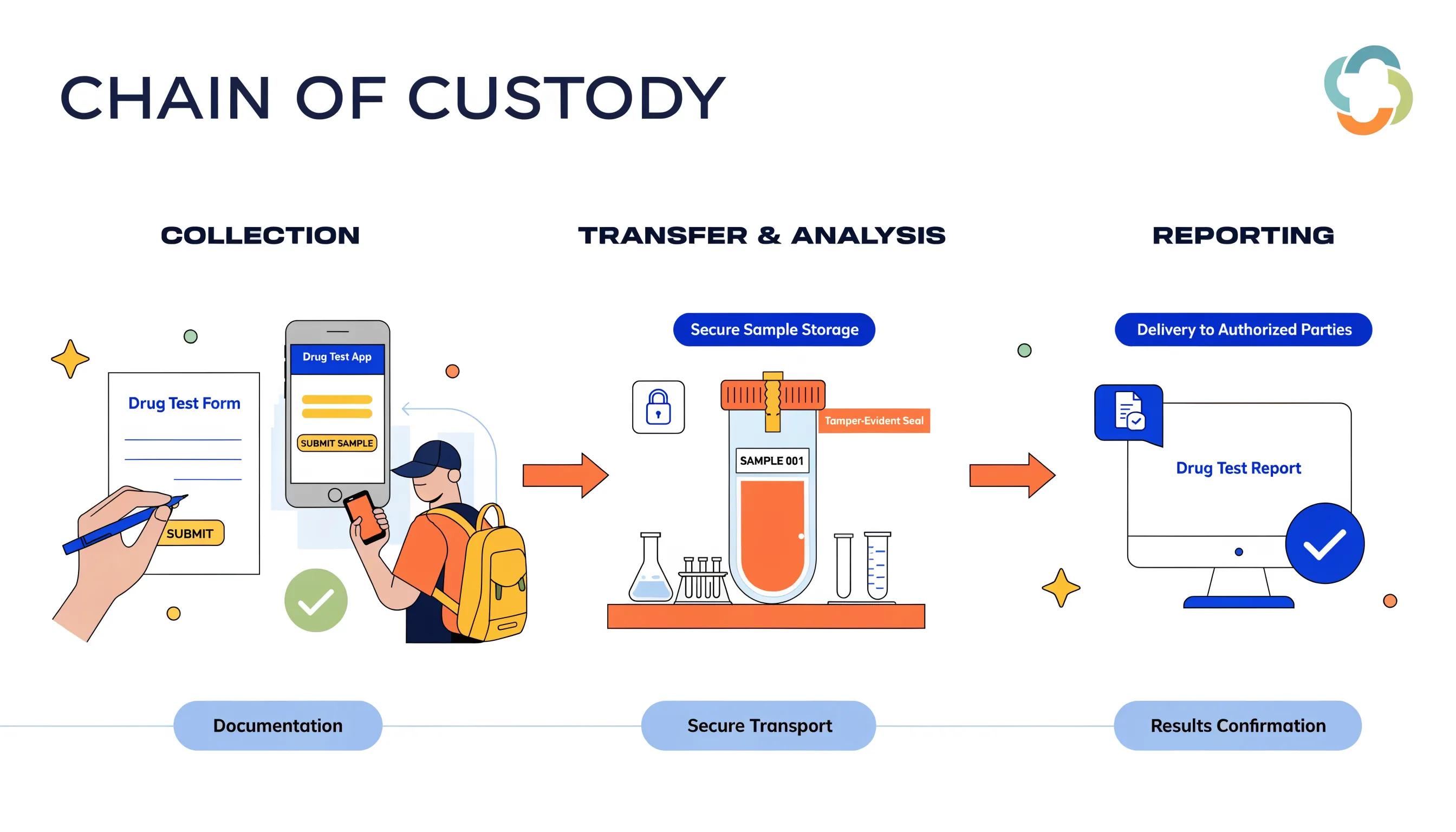
Court-Admissible Drug Testing: What Makes Results Legally Defensible in Texas
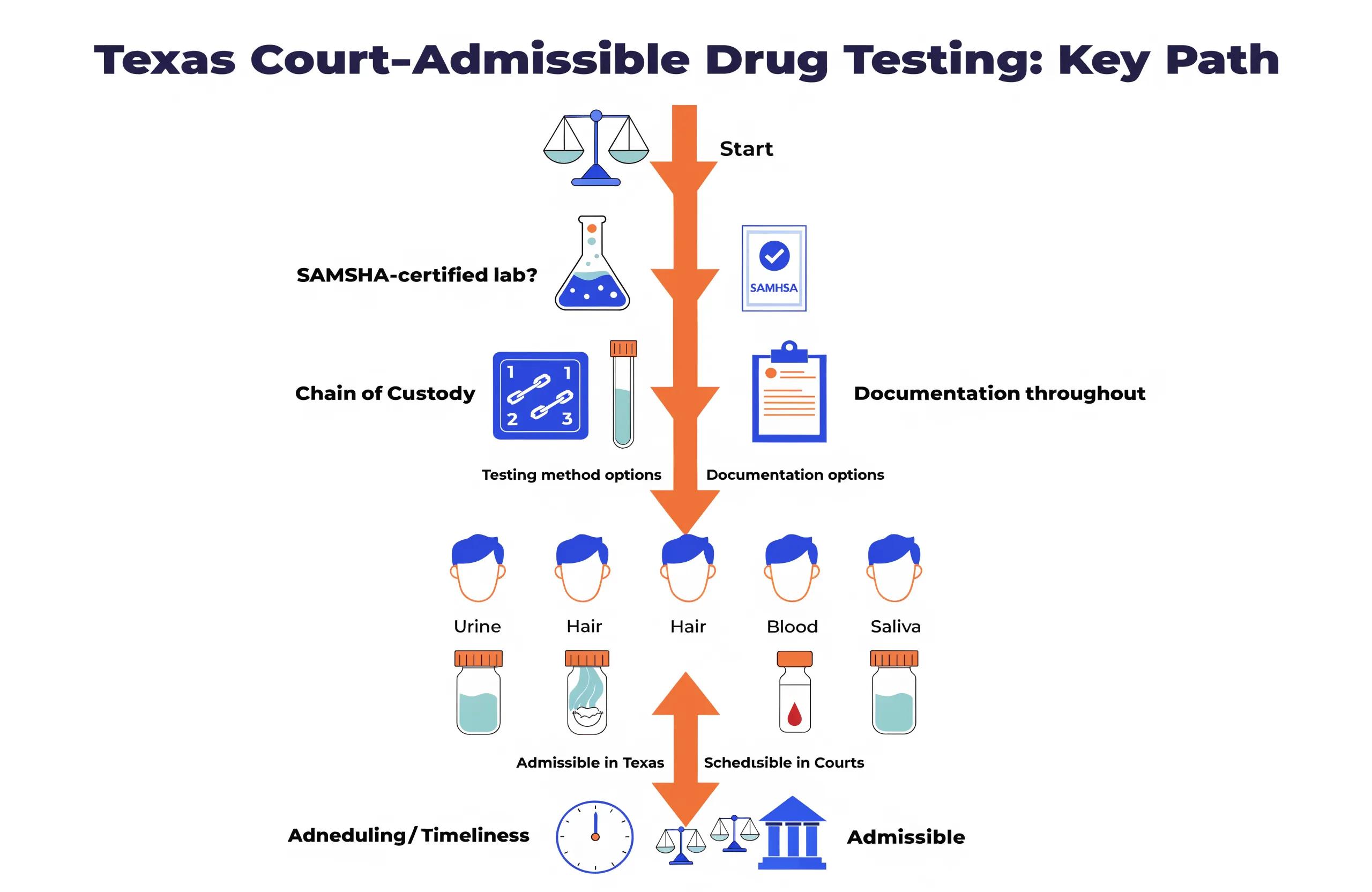
Court-Admissible Drug Testing in Texas: What Makes Results Legally Defensible?
By Joe Clark, Beaumont Occupational Services
Court-admissible drug testing is vital for maintaining the integrity of legal proceedings in Texas. Understanding what makes drug testing results legally defensible ensures that individuals, employers, and attorneys are equipped when faced with substance abuse issues. This article explores Texas legal requirements for court-admissible drug testing, including the protocols involved, types of testing methods accepted, and how compliance can be maintained throughout the process. With the increasing scrutiny on substance use, having a solid grasp of these legal frameworks helps mitigate risks associated with court cases that may revolve around drug testing results. Moreover, comprehensive knowledge of the necessary documentation and procedures not only protects stakeholders but also ensures fair legal processes.
What Are Texas Legal Requirements for Court-Admissible Drug Testing?
In Texas, specific legal requirements must be met for drug testing results to be admissible in court. These requirements include adherence to established forensic testing protocols, documentation accuracy, and a clear chain of custody to prevent contamination or tampering. Compliance with the guidelines ensures that the test results retain their reliability and are accepted in legal contexts. This structured approach protects the rights of all parties involved while establishing a standardized method for conducting drug tests.
Beaumont Occupational Services specializes in providing drug testing compliant with Texas state laws and court admissibility standards. Their services ensure that all testing is carried out according to these rigorous procedural, documentation, and chain of custody requirements to deliver legally defensible results.
How Do Texas Forensic Drug Testing Guidelines Ensure Legal Compliance?
Texas forensic drug testing guidelines set the foundation for compliance with legal standards, ensuring accurate and reliable results. To uphold these requirements, laboratories must implement forensic-grade accuracy in their testing methodologies. Certification from the Substance Abuse and Mental Health Services Administration (SAMHSA) is critical as it sets the benchmark for acceptable testing practices.
In addition, proper documentation must be maintained throughout the testing process, which includes recording the chain of custody at every step, from sample collection to final analysis. Strict adherence to these guidelines fosters confidence in the results, making them more likely to withstand legal scrutiny.
What Are the Key Steps in Texas Drug Testing Chain of Custody Protocols?
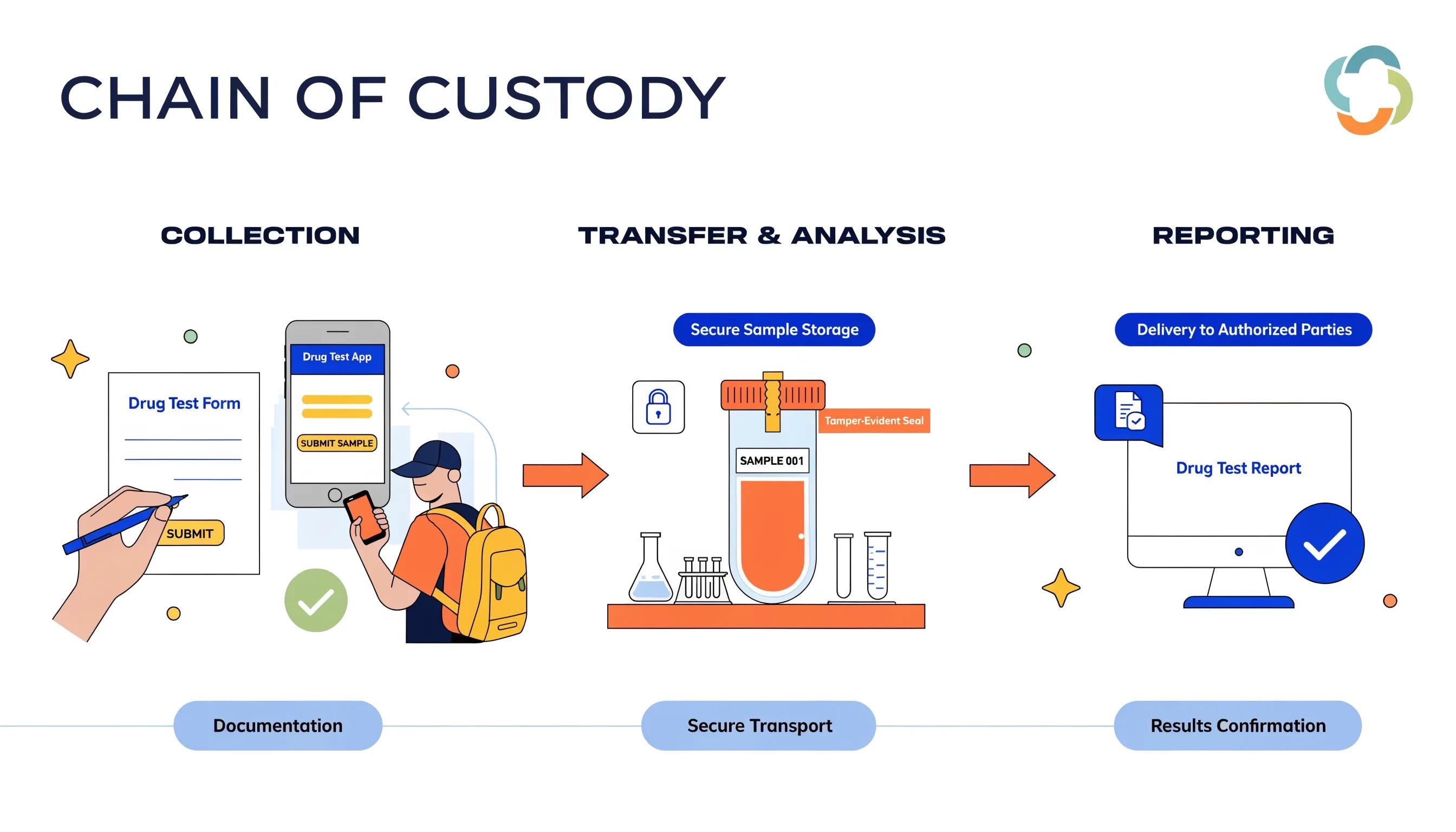
Maintaining a secure chain of custody is crucial for ensuring the integrity of drug testing results. The key steps in the chain of custody protocols in Texas include:
- Sample Collection: Each sample must be collected using standardized procedures to avoid contamination.
- Documentation: Every change in the sample’s possession must be documented, showcasing a clear record of handling.
- Tamper-Evident Seals: Utilizing tamper-evident seals is essential for preventing any alteration of the samples prior to testing.
These steps help safeguard the reliability of the results and provide a clear timeline that can be referenced if the results are challenged in court.
Why Is Chain of Custody Essential for Court-Admissible Test Results?
The chain of custody plays a pivotal role in establishing the legal validity of test results. It serves as a factual narrative detailing who handled the samples, what conditions they were subjected to, and ensures that no tampering occurred. Given that drug testing outcomes can significantly impact custody cases, employment actions, and criminal proceedings, the integrity of the testing process is crucial.
Improper handling can lead to challenges in court, potentially discrediting results and undermining the entire legal process. A well-documented chain of custody is vital not just for proving compliance, but also for preserving the rights of individuals involved in substance-related legal issues.
Which Drug Testing Methods Are Accepted as Legally Defensible in Texas Courts?
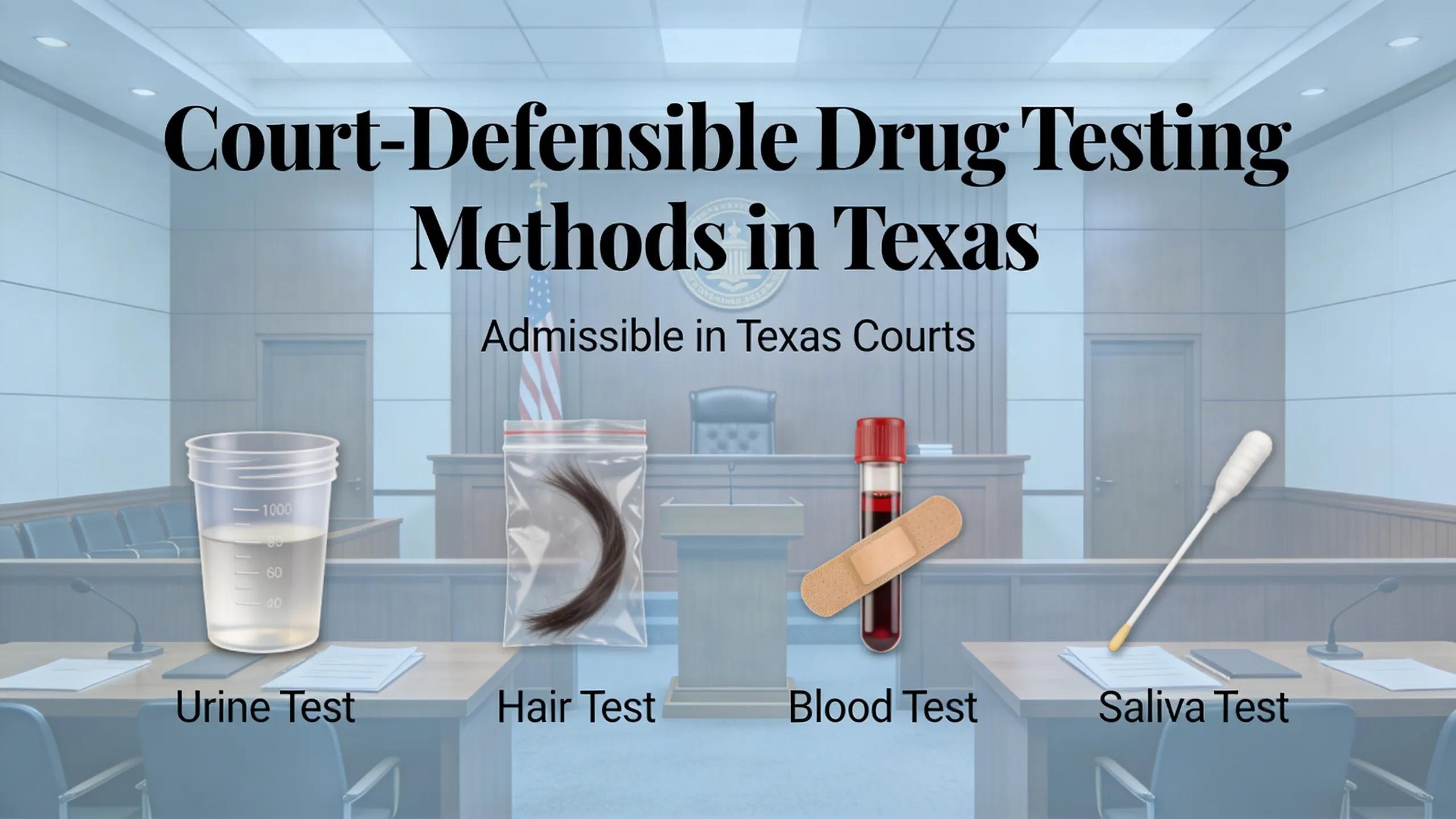
Various drug testing methods are recognized as legally defensible in Texas courts. These methods include:
- Urine Testing: Commonly used due to its effectiveness and reasonable detection windows for many substances.
- Hair Testing: Utilized for its long detection window, which can reveal substance use over a longer period.
- Blood and Saliva Tests: These methods provide immediate results and are often used in specific contexts, such as traffic stops.
Each of these methods must adhere to Texas guidelines and undergo proper documentation to be deemed admissible.
How Can Clients Ensure Compliance with Texas Court Drug Testing Procedures?
Compliance with Texas court drug testing procedures requires a systematic approach that encompasses several strategic steps:
- Implementing Clear Policies: Establish written guidelines that outline the appropriate testing procedures and responsibilities.
- Regular Training: Ensuring that personnel are adequately trained on the proper techniques and protocols helps minimize errors.
- Maintaining Comprehensive Records: Documenting every aspect of the testing process from collection to analysis supports adherence to legal requirements.
Taking these steps helps avoid costly mistakes and supports the defensibility of test results in legal scenarios.
What Are the Scheduling and Documentation Requirements for Legal Testing?
Scheduling and meticulous documentation form the backbone of compliant drug testing in Texas. Key requirements include:
- Timely Scheduling: Tests must be conducted promptly to maintain relevant timelines, particularly in legal contexts, where delays may invalidate results.
- Thorough Documentation: Each test conducted should be backed by careful records, detailing the sample's collection, testing, and analysis phases.
- Court Support Activities: Ensuring that all results, upon request, can be corroborated effectively supports legal proceedings when outcomes are contested.
Adhering to these scheduling and documentation guidelines is vital for maintaining the admissibility of drug testing results.
Where Can Clients Find Authoritative Resources on Texas Drug Testing Laws?
Clients searching for authoritative resources on Texas drug testing laws can benefit from credible sources such as:
- Online Legal Resources: Websites that specialize in Texas law, offering articles and guides on drug testing matters.
- Books and Publications: Texts focused on Texas legal standards often provide deeper insights into drug testing requirements.
- Local Regulatory Bodies: Agencies such as the Texas Department of Transportation provide updates and guidance related to drug testing in state-specific contexts.
Engaging with these resources empowers clients to make informed decisions regarding drug testing practices and compliance with Texas laws.
