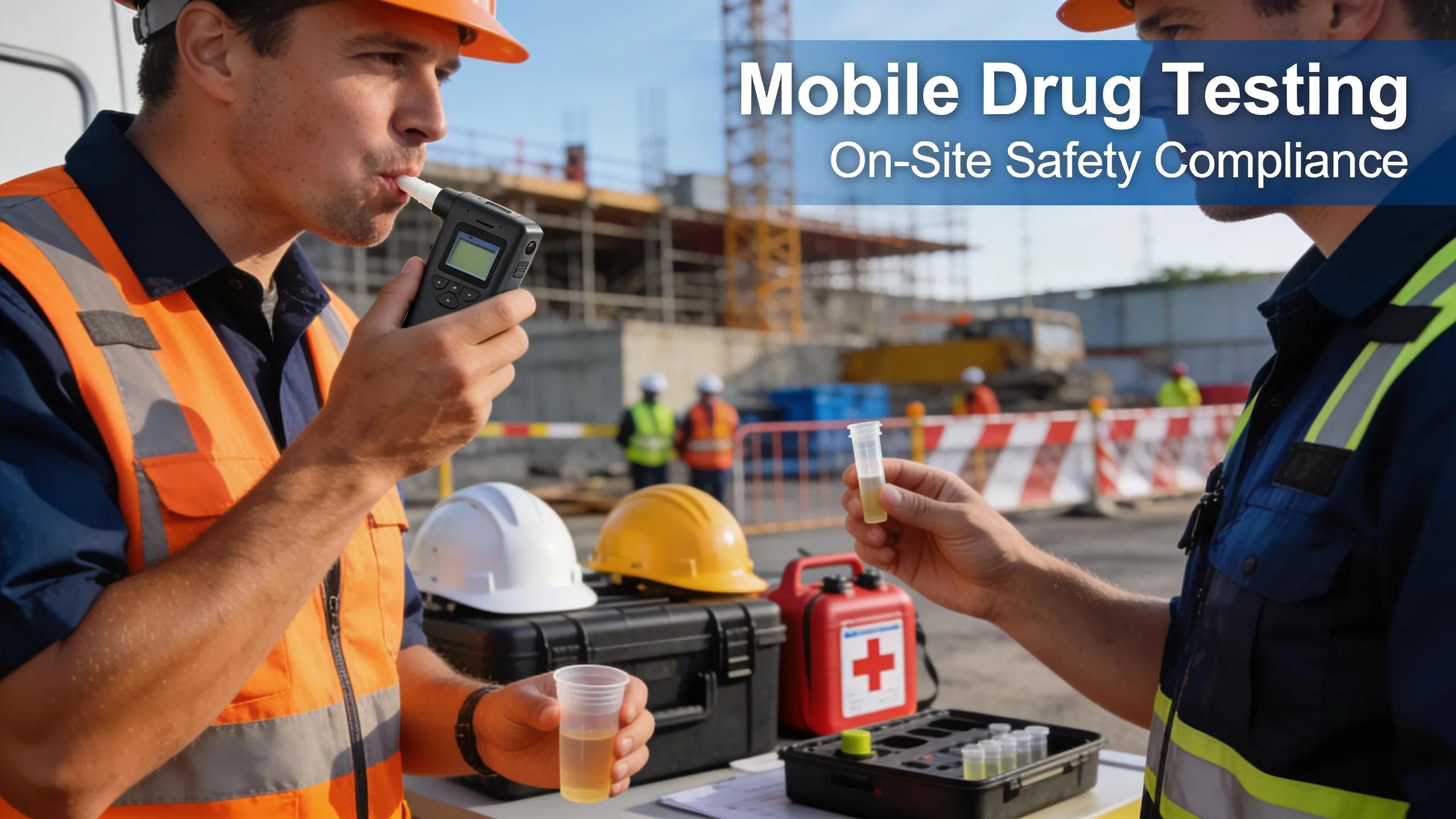
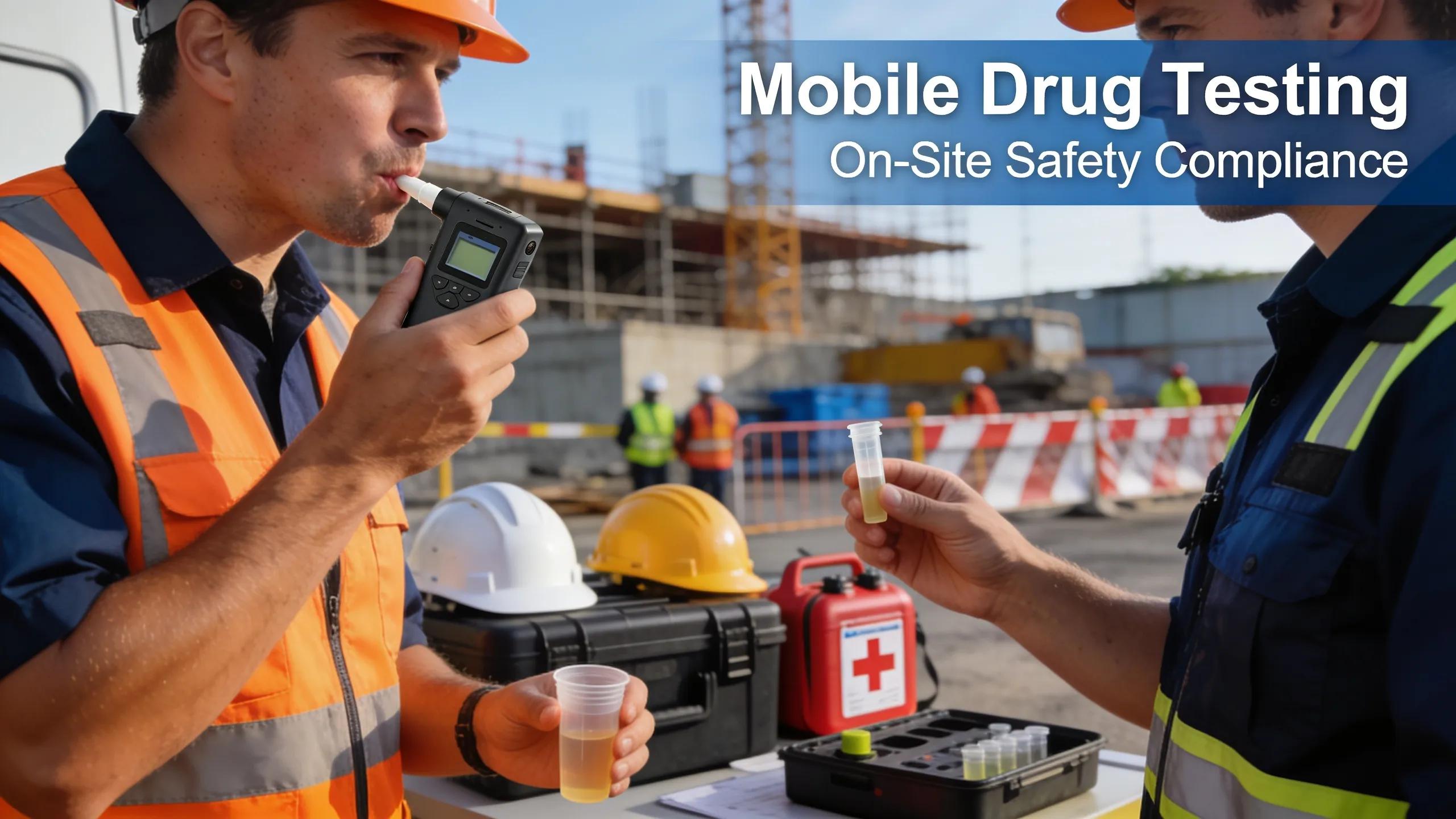
Mobile Drug Testing Solutions for Contractors in Southeast Texas
Mobile Drug Testing Solutions for Contractors in Southeast Texas: On-Site Drug Testing Services and Compliance
By Joe Clark, Beaumont Occupational Services
Mobile drug testing solutions have become essential for contractors in Southeast Texas, providing efficiency and compliance with regulatory requirements. In today’s fast-paced construction and contracting industries, ensuring worker safety through drug and alcohol testing is not only a legal obligation but also a crucial aspect of maintaining a secure work environment. Contractors will learn about the available mobile drug testing services, testing types, compliance requirements, and best practices for implementing these programs. The article will explore urine, breathalyzer, and saliva testing methods, as well as the advantages of mobile solutions. Additionally, we will discuss how Beaumont Occupational Services plays a vital role in streamlining the process for contractors.
Types of Testing:
Different types of drug testing are vital for contractors to maintain a safe and compliant work environment. Following industry standards ensures that employees are effectively monitored for substance use, promoting workplace safety and regulatory compliance. Common types of drug testing include:
- Pre-Employment Testing: Essential for assessing a candidate's eligibility before hiring.
- Random Drug Testing: Helps ensure ongoing compliance by testing employees at unpredictable times.
- Post-Accident Testing: Conducted when an employee is involved in a workplace accident.
- Reasonable Suspicion Testing: Enacted when there are observed signs of impairment.
- Return-to-Duty Testing: Required for employees returning to work after a violation.
- Follow-Up Testing: Ongoing testing after an initial violation or treatment.
Implementing these varied testing methods strengthens the integrity of contractor workforces and minimizes risks associated with substance abuse.
Compliance Requirements:
Compliance with federal and state regulations is non-negotiable for contractors in the Southeast Texas region. The following key requirements must be adhered to when implementing drug testing programs:
| Testing Type | Compliance Requirement | Importance |
|---|---|---|
| Pre-Employment | Must be conducted for all potential hires | Ensures the workforce is substance-free |
| Random Testing | Must adhere to DOT regulations for frequency | Maintains compliance through unpredictability |
| Post-Accident Testing | Conducted within 32 hours of the incident | Necessary for clarifying liability |
| Reasonable Suspicion | Training for supervisors on recognizing signs | Reduces liability and enhances safety |
| Return-to-Duty Testing | Required for employees after a violation | Ensures safe reintegration into the workplace |
These compliance requirements are critical for protecting both contractors and employees, ensuring a drug-free workplace and mitigating legal risks.
For those seeking to streamline their compliance efforts, Beaumont Occupational Services provides timely, efficient mobile testing solutions tailored to the specific needs of contractors in the region.
Best Practices for Contractors:
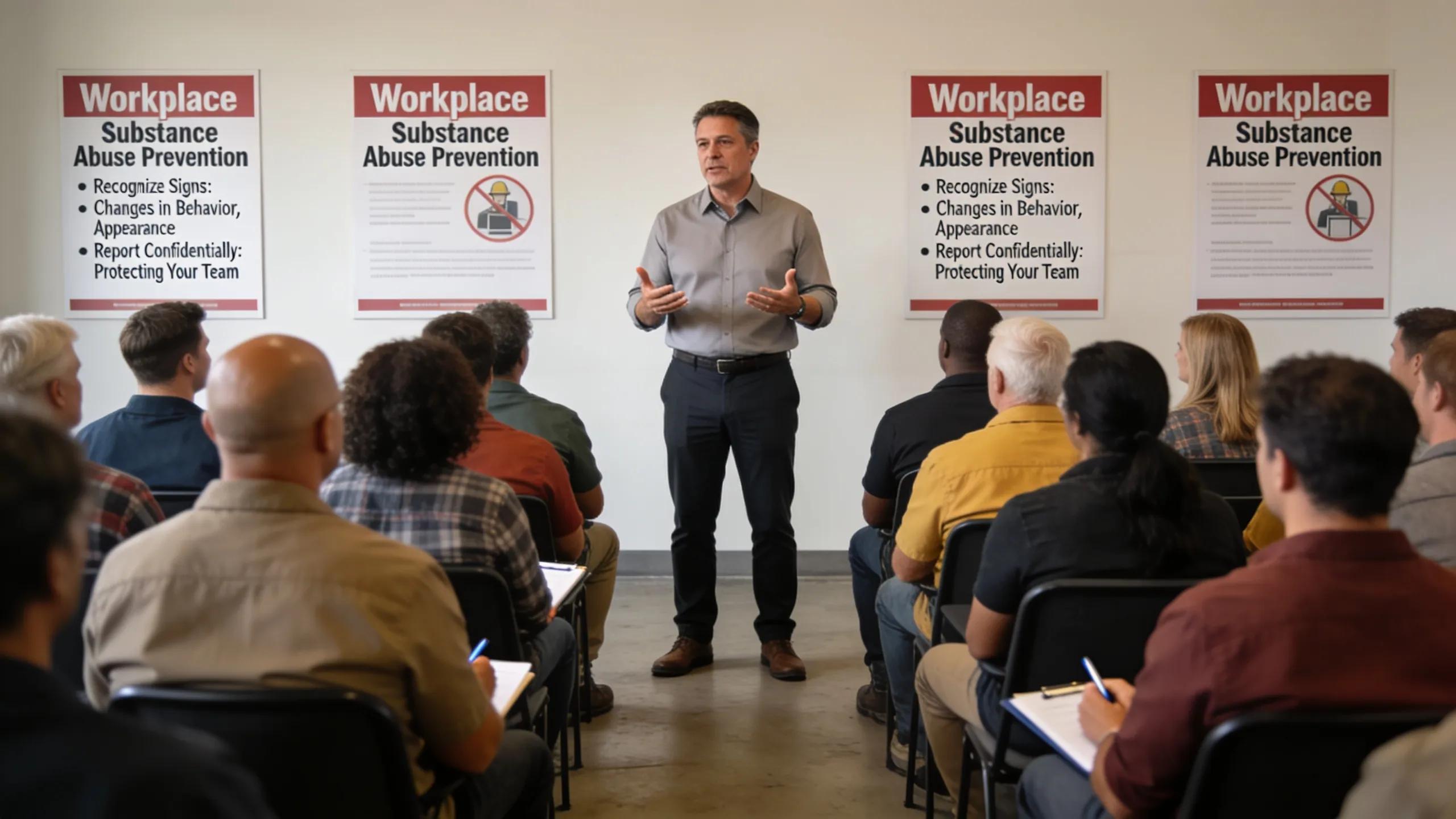
Establishing best practices for drug and alcohol testing can significantly enhance a contractor's policy effectiveness. Key guidelines include:
- Developing a Clear Drug Policy: Ensure that all employees understand the testing protocols and consequences of violations.
- Training for Supervisors: Equip management with the knowledge to identify signs of substance abuse.
- Emergency Response Protocols: Implement clear procedures for handling incidents related to substance use.
- Regular Policy Reviews: Consistently revisit and update policies in line with legislative changes and company needs.
- Utilizing Mobile Testing Services: Enhance efficiency and reduce downtime by bringing testing directly to the workforce.
Incorporating these best practices supports a proactive approach to managing workplace safety and compliance.
Overview of urine, breathalyzer, and saliva testing methods for contractors
The effectiveness of different testing methods can vary, making it imperative for contractors to understand their options. Understanding these testing methodologies allows contractors to choose the right one based on their specific needs and the substances they aim to monitor.
- Urine Testing: Widely used due to its accuracy and ability to detect a broad range of substances. It remains effective for several days after substance use.
- Breathalyzer Testing: Primarily used for alcohol detection, providing immediate results and reflecting recent consumption.
- Saliva Testing: Non-invasive and quick, this method is useful for on-site testing and can detect substances within a shorter timeframe post-consumption.
Types of testing: random, DOT, and court-ordered screenings
Contractors must navigate various testing types required by law, which include:
- Random Testing Programs: Designed to deter drug use through unpredictability in selection.
- DOT Testing: Required for safety-sensitive positions, ensuring compliance with Department of Transportation regulations.
- Court-Ordered Testing: Mandated by legal authority, often following a legal incident.
Contractors should employ the correct testing procedures to maintain compliance and enhance workplace safety.
How do contractor drug testing programs ensure compliance with DOT and OSHA regulations in Southeast Texas?
Effective contractor drug testing programs incorporate DOT and OSHA compliance measures critical for maintaining operational legality. Adhering to DOT standards involves strict protocols for random drug testing and the need to maintain a clear chain of custody during specimen collection. Moreover, OSHA mandates that employers conduct drug testing in a manner that ensures the health and safety of all employees, thereby significantly reducing workplace hazards. These programs prioritize prompt post-accident testing and comprehensive documentation to establish legal defensibility, aligning with both DOT and OSHA regulations.
Legal requirements for workplace alcohol and drug testing under DOT regulations
Under DOT regulations, a set of legal requirements governs workplace alcohol and drug testing. DOT mandates include:
- Establishment of a Drug-Free Workplace: Employers must demonstrate their commitment to preventing substance abuse.
- Scheduled Random Testing: Regular random drug tests for safety-sensitive roles are vital.
- Strict Documentation: Proper record-keeping of testing results is essential for legal compliance.
These comprehensive policies not only protect employees but also empower contractors to uphold their responsibilities regarding workplace safety.
State-specific workplace testing laws and compliance guidance for contractors
In Southeast Texas, awareness of state-specific workplace testing laws can significantly affect compliance efforts. Each state may have unique regulations regarding:
- Employee Rights: Understanding legal rights related to drug testing is crucial for both employers and employees.
- Documentation and Record Keeping: Employers are required to keep meticulous records of testing, which can vary by state guidelines.
- Privacy Regulations: Ensuring confidentiality and legal compliance during testing processes.
Federal, state, and industry protocols significantly shape individual company drug testing policies, underscoring the layered regulatory landscape contractors must navigate.
Workplace Drug Testing Regulations: Federal, State, and Industry Protocols
Drug testing in the workplace is not universal and is regulated by various governmental agencies at the federal, state, and municipal levels, as well as by select industries. Safety-sensitive occupations are typically targeted, and various industries and agencies have specific drug testing protocols. In the United States, drug testing is highly structured, and much of it falls under the purview of a Presidential Executive Order issued in 1986, with subsequent legislation calling for a drug-free workplace.
Strategies of drug prevention in the workplace: An international perspective of drug testing and employee assistance programs, DE Smith, 2006
Contractors must stay informed about these laws to ensure that their practices align with state regulations.
What are the advantages of mobile breathalyzer and drug testing services for contractors?
Mobile breathalyzer and drug testing services offer several advantages to contractors looking to improve their testing protocols:
- Ensuring Compliance Efficiently: Facilitates adherence to both DOT and OSHA regulations directly at job sites.
- Convenience for Contractors: On-site testing minimizes employee downtime, allowing work to continue smoothly.
- Improving Workplace Safety: Immediate results reduce risks associated with undetected substance use in the workforce.
These benefits underscore the importance of employing mobile testing solutions in contractor drug and alcohol testing programs.
Benefits of mobile testing convenience and rapid deployment at job sites
The deployment of mobile testing services offers numerous benefits for contractors.
- Minimized Employee Downtime: Workers can undergo testing without leaving the job site, leading to enhanced productivity.
- Rapid Response to Incidents: Mobile testing enables quick action following workplace accidents, essential for compliance.
- Flexible Testing Options: Services can be tailored to the unique needs of each job site, allowing for adaptability.
Such flexibility is crucial in maintaining compliance while managing the dynamic nature of construction projects.
Ensuring confidentiality and accuracy with certified mobile testing staff
With heightened scrutiny in drug testing protocols, ensuring confidentiality and accuracy is paramount.
- Certified Testers and Training: Employing staff trained in proper testing protocols guarantees accuracy.
- Maintaining Chain of Custody: Stringent procedures are necessary in specimen collection, preservation, and reporting.
- Confidential Result Handling: Implementing strict confidentiality policies protects employee privacy while sharing results only with authorized personnel.
These measures contribute to the overall integrity of the testing process, ensuring reliable outcomes.
How can contractors schedule reliable mobile drug and alcohol testing services in Southeast Texas?
Contractors looking to schedule mobile drug and alcohol testing services can follow a structured approach:
- Contact Beaumont Occupational Services: Begin by reaching out directly to initiate the scheduling process.
- Flexible Appointments: Discuss appointment flexibility to accommodate project needs and timelines.
- Booking Details: Ensure that all necessary documentation is in order prior to the testing date.
Following these steps enables contractors to seamlessly integrate testing into their operational plan.
Steps to book on-site drug testing with Beaumont Occupational Services
Booking on-site drug testing with Beaumont Occupational Services is straightforward. Key steps to consider include:
- Initial Contact: Reach out to Beaumont at (409) 212-9706 for inquiries and scheduling.
- Required Documentation: Ensure you have all relevant paperwork ready for verification.
- Lead Times for Bookings: Be aware of recommended lead times to secure your desired testing dates efficiently.
These simple steps streamline the process, allowing for effective compliance and risk management.
Contact options and lead generation for contractor drug testing programs
Contractors can easily connect with Beaumont Occupational Services for drug testing needs through various options.
- Phone Contact: Reach the service team at (409) 212-9706 for immediate assistance.
- Email Inquiries: Utilize email communications for detailed questions regarding services and compliance.
- Promotional Strategies: Engage in marketing outreach designed to enhance lead generation, ensuring that contractors are well-informed about testing offerings.
Effective engagement methods not only facilitate immediate access to services but also build long-term partnerships in maintaining a safe work environment.
