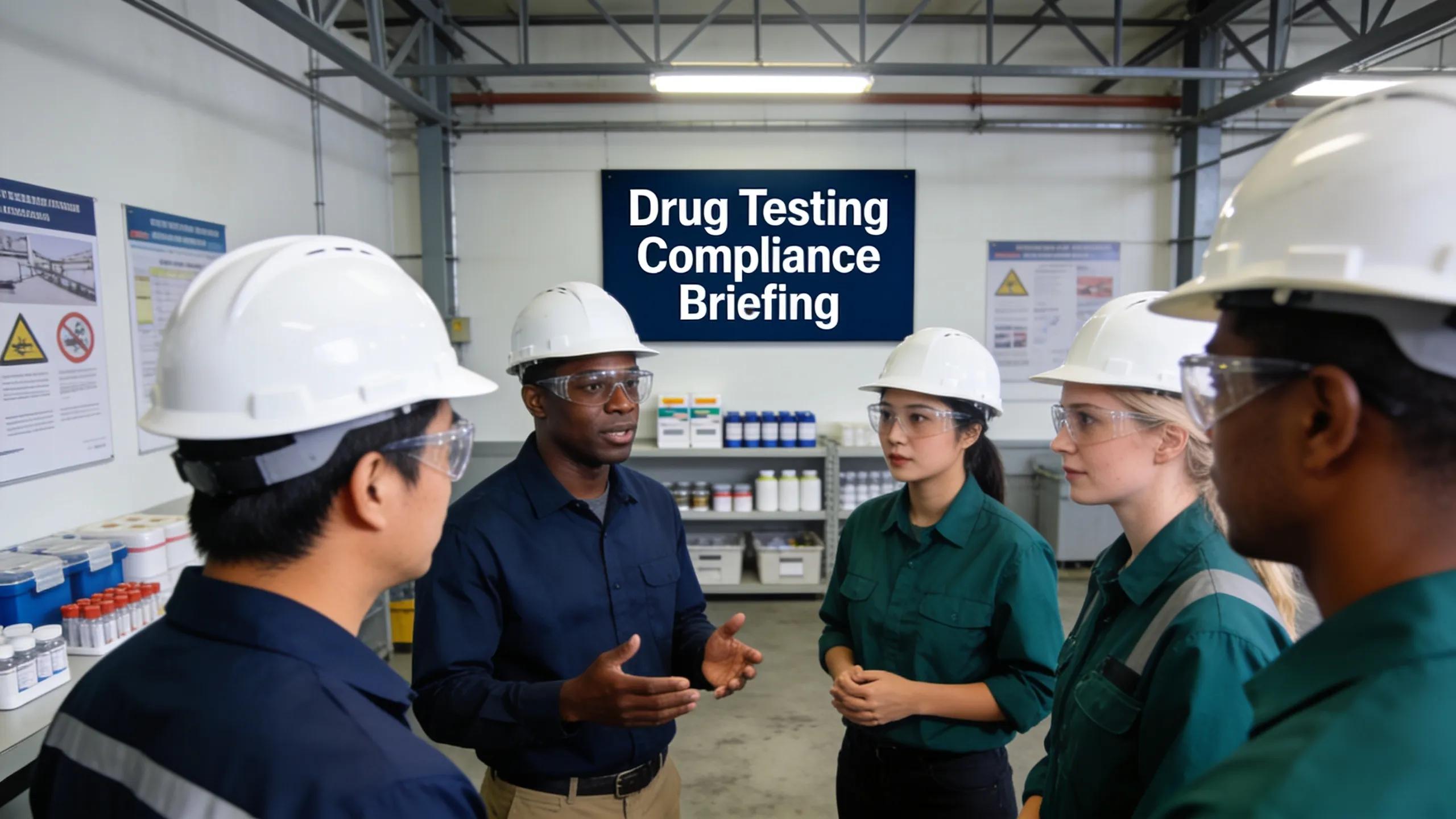
Workplace Drug Testing & Compliance: Essential Procedures and Regulatory Guidelines for Employers
Workplace Drug Testing & Compliance: Essential Procedures and Regulatory Guidelines for Employers
By Joe Clark, Beaumont Occupational Services
Workplace drug testing and compliance have become critical aspects of maintaining a safe and productive work environment. Employers must be knowledgeable about the relevant regulations and the testing procedures to ensure effective "drug-free workplace policies". This comprehensive guide aims to equip employers in Texas and Louisiana with the insights needed to navigate the legal landscape of workplace drug testing and to implement effective compliance programs. Many employers face challenges in understanding the specific laws and best practices that guide effective drug testing. This article will address essential workplace drug testing laws, standard procedures, the importance of chain of custody, and how to develop effective compliance programs tailored to regional requirements.
What Are the Key Workplace Drug Testing Laws in Texas and Louisiana?
Understanding workplace drug testing laws is crucial for employers to operate within legal boundaries. In Texas, employers have the right to conduct drug tests, but they must adhere to specific regulations that govern the process. On the other hand, Louisiana has its own set of rules, which may differ significantly. Compliance with these laws not only safeguards employee rights but also protects employers from potential legal repercussions.
Which State and Federal Regulations Govern Employee Drug Screening?
The primary regulations governing workplace drug screening stem from both state and federal sources. Texas employers must comply with the Texas Labor Code and relevant federal laws that apply to specific industries, such as the Department of Transportation (DOT) regulations. In Louisiana, the authorities also enforce state statutes that dictate how drug testing should be conducted. Understanding these regulations helps employers establish effective "drug policies" that align with legal requirements while promoting safety in the workplace.
How Do Legal Requirements Impact Employer Testing Programs?
Legal requirements directly shape employer testing programs, affecting how they choose to implement and manage drug testing. Failure to comply with these regulations may result in penalties, lawsuits, or damage to the organization's reputation. For instance, employers must ensure that their drug tests are scientifically valid and that they follow proper collection and handling methods. This compliance is crucial to mitigate the risks associated with false positives or legal disputes. Beaumont Occupational Services, a regional provider specializing in workplace drug testing and compliance services, assists employers in navigating these legal complexities.
What Are the Standard Drug Testing Procedures and Types for Occupational Screening?

Standard drug testing procedures are essential for creating a fair and transparent "occupational screening" process. Employers should consider various testing types, including pre-employment, random, post-accident, and reasonable suspicion testing, to establish a comprehensive approach to workplace drug compliance.
How Are On-site and Off-site Drug Tests Administered Efficiently?
Efficient administration of on-site and off-site drug tests is crucial for maintaining accuracy and integrity. Employers should implement best practices such as scheduling tests in advance and ensuring personnel are adequately trained in the procedures. Mobile testing units can enhance convenience for both employers and employees, ensuring compliance with testing requirements without disrupting work schedules.
What Are the Differences Between Random, Post-Accident, and Reasonable Suspicion Testing?
Different drug testing types serve various purposes and have distinct legal implications. Random testing helps deter substance abuse among employees, while post-accident testing assists in assessing whether a substance may have contributed to an incident. Reasonable suspicion testing allows employers to act when there is a credible basis to believe that an employee is under the influence during work hours. Employers must be mindful of the implementation challenges each type presents, ensuring that they adhere to legal standards and protect employee rights.
Why Is Chain of Custody Critical in Ensuring Workplace Drug Test Integrity?
Chain of custody is fundamental to the integrity of workplace drug tests, directly impacting their legal validity. A well-documented process ensures that samples are handled correctly from collection to analysis, minimizing the risks of contamination or tampering.
What Are the Required Steps in Sample Handling and Documentation?
Maintaining a proper chain of custody requires strict adherence to documentation protocols. Each step in sample handling must be carefully recorded, including the identity of the person collecting the sample, the time of collection, and storage conditions. These details are crucial for supporting the legitimacy of test results, and any lapses can raise questions about the reliability of findings.
How Does Chain of Custody Mitigate Employer Legal Risks?

Effective chain of custody procedures can protect employers from legal challenges stemming from drug test results. By ensuring thorough documentation and proper handling protocols, employers can demonstrate compliance with legal requirements, thereby mitigating potential lawsuits related to wrongful termination or discrimination claims. Training staff involved in the drug testing process is essential for fostering a culture of compliance and accountability within the organization.
How Can Employers Develop Effective Compliance Programs for Drug Testing?
Constructing an effective compliance program involves understanding regulatory requirements and implementing best practices that align with state-specific laws. Such programs should address essential components like testing protocols, employee rights, and disciplinary procedures for violations.
What Policies Should Be Included to Align with Texas and Louisiana Regulations?
To align with Texas and Louisiana regulations, policies should clearly outline the testing process, employee rights, and the consequences for non-compliance. Employers must communicate these policies to ensure that all employees understand workplace expectations and their rights concerning drug testing. This clarity can prevent misunderstandings and foster an environment of transparency while reinforcing compliance with legal standards.
How to Implement and Monitor Workplace Substance Abuse Policies Successfully?
Successful implementation of substance abuse policies requires an ongoing commitment to monitoring and updating the processes in place. Employers should engage regularly with employees, providing training on the effects of substance abuse and the importance of the drug-free workplace policy. Monitoring mechanisms, such as employee feedback systems, can provide insights into policy effectiveness and help identify areas for improvement. Beaumont Occupational Services supports employers by offering resources and expertise to ensure policies are both effective and compliant with current regulations.
